Plants · Processed food & beverage
Clean lines that don’t stop the line.
Snacks, bakery, juices, sauces, ready meals. Food plants fight grease, sugar, starch and biofilm on lines that cannot stop for long. We match the chemistry to the soil and the surface, from beverage CIP to the warewash in the canteen.
What we see on site
The problems that fail audits
Sugar and starch residue on beverage lines
Organic soil builds in circuits and feeds microbes.
Heavy fat on fryers and floors
Grease spreads from equipment to floors and drains.
Soft metals and sensitive surfaces
Aluminium and coated parts corrode under strong alkali.
Biofilm and odour
Drains and conveyors harbour biofilm that fails swab tests.
Cross-contamination between zones
Tools move from raw to finished areas.
A typical INNOVA programme
What we set up, and when
Every plant is different. We adjust concentrations, temperatures and frequency to your soil, water hardness and audit standard after a site visit.
Beverage circuits
INNOVA CIP TC86 for routine CIP, Eko Power for heavy fouling.
General CIP
INNOVA CIP TC86 chlorinated detergent, INNOVA AntiFoam SIL900 on foam-heavy lines.
Open surfaces
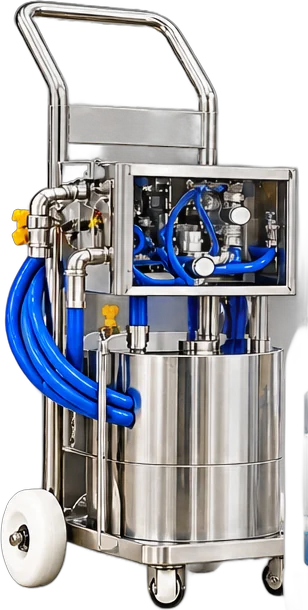
INNOVA ChloroFoam with the Foam Cleaning Machine, then INNOVA QuatShield.
Sensitive surfaces
INNOVA NeutroKleen where alkali or acid is not appropriate.
Machinery, warewash, hands
INNOVA DegreasePro, INNOVA MaticWash, INNOVA HandCare and colour-coded tools.
Who we work with
Built for the food plants of India
- Beverage and juice plants
- Snack and namkeen units
- Bakery and confectionery
- Sauces, pickles and ready meals
- Central and cloud kitchens
- Food-grade chemical and packaging units
Questions people ask us
What is CIP cleaning in a dairy plant?
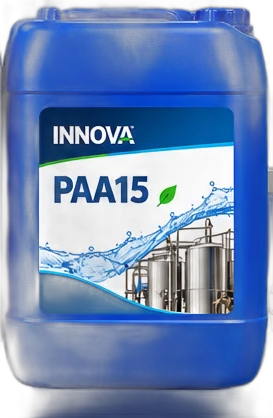
Clean-in-place (CIP) cleans tanks, pipes and heat exchangers without taking them apart. A typical dairy CIP runs a pre-rinse, a hot alkaline wash for fat and protein, an acid wash for milkstone and mineral scale, and a final sanitising step such as peracetic acid.
Which chemical removes milkstone?
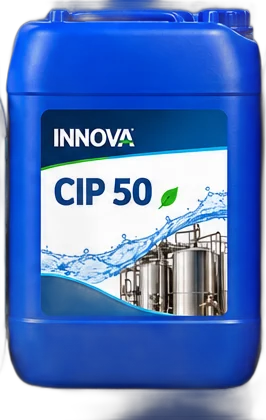
Milkstone is a mix of calcium salts and protein that bakes onto hot surfaces. INNOVA CIP 50, a formulated alkaline cleaner, removes the organic and inorganic soil in the caustic step. INNOVA CIP Descale, a formulated acidic cleaner, then clears mineral scale from plates and heat exchangers.
What detergent is used in a milk can scrubber?
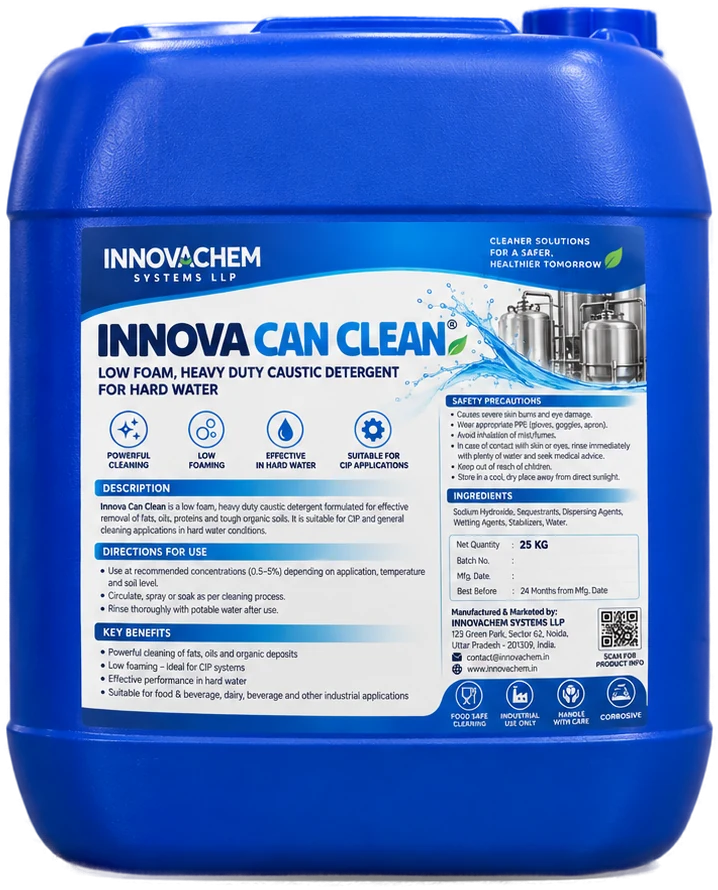
A low-foam alkaline can cleaner such as INNOVA CanClean, dosed in the scrubber tank at the approved concentration on the label. Pre-rinse the can, scrub it with the rotating nylon brushes in the CanClean solution, then rinse with clean water, drain and dry.
How do you clean milk cans at a collection centre?
Rinse cans with potable water straight after unloading, wash with a dedicated can cleaner such as INNOVA CanClean at the recommended concentration and temperature, rinse again, then drain and dry inverted. Hard water sites need a cleaner with sequestrants to avoid film.
See your score in four minutes
Ten questions. A hygiene score and a matched INNOVA programme, straight away.